

Picture above taken from the Australian Rohingyan Women’s Development Organisation’s (ARWDO) Facebook page
Rohingya Traditions Endure Despite Genocide and Displacement
The Rohingya people have faced extreme oppression, violence, and displacement over the past few decades including a genocide in 2017 where 10,000 Rohingya were killed. According to the United Nations High Commissioner for Refugees (UNHCR), attacks on Rohingya villages and brutal conditions imposed by Burmese (Myanmar) security forces led to the displacement of an estimated 750,000 Rohingya refugees to neighbouring Bangladesh in August 2017 alone. These mass refugee flows have seen the Rohingya population living in Bangladesh expand to approximately 1 million refugees now residing primarily in crowded refugee camps in Cox’s Bazaar.
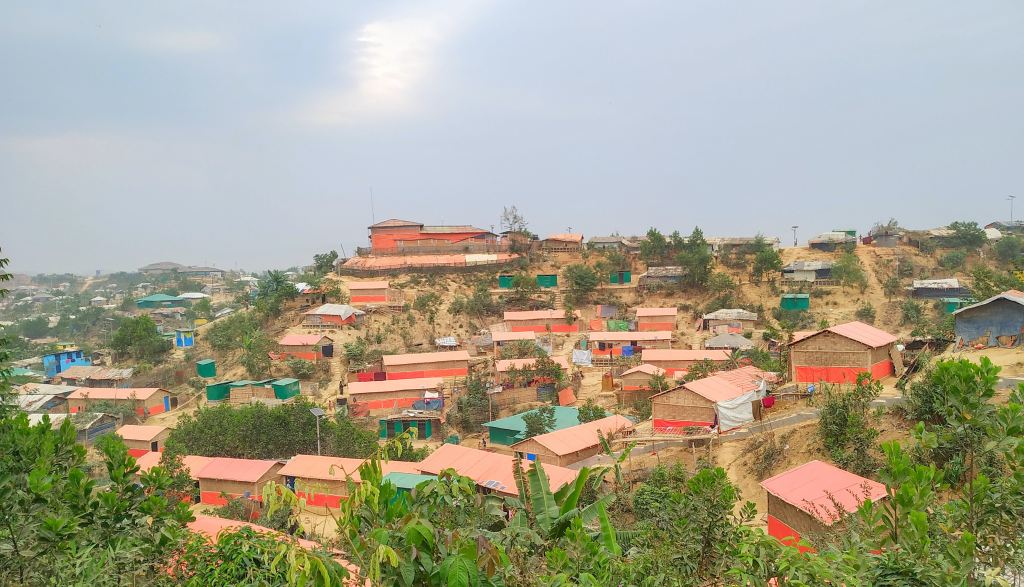
Picture of Cox Bazaar, taken by SH Saw Myint, from Unsplash website
Yet even amidst such violence and uncertainty, Rohingya culture perseveres. Their colourful festivities, aromatic cuisine, meaningful art, and welcoming hospitality reveal an enduring cultural vibrancy.
Rohingya Traditions and Celebrations
One vibrant celebration with special relevance to the Rohingya is Eid al-Fitr, which marks the end of Ramadan fasting. The festivities of Eid al-Fitr feature sweet delicacies, new clothing as gifts for children, and communal prayers. Rohingya families bake seasoned semai cake or firni pudding to share with friends and relatives, honouring traditions passed down for generations.
Weddings represent another important cultural tradition, binding Rohingya communities together through elaborate rituals. Ceremonies last multiple days, with music and dancing welcoming the newlyweds into their new life together. Female family members apply ornate henna designs to the bride in beautifully symbolic patterns. Songs typically praise the couple while also telling nostalgic stories of the homeland Burma the Rohingya once knew.
The Rohingya dialect contains poetic and musical elements within the language itself. Common greetings incorporate sophisticated phrases wishing peace, health and divine blessings. Rohingya poets, traditionally known as syers, historically recounted epic folk stories through song to rapt audiences. Language represents a profound emotional tie for displaced Rohingya people to their identity, culture and history. Despite deliberate linguistic oppression, the unique Rohingya dialect endures as a representation of cultural pride and resistance today.
Cuisine and Hospitality
Rohingya culture is steeped in generosity, evident in the steaming cups of chai served to welcome guests into village homes. This aromatic spiced tea brewed with cardamom pods and loose tea leaves is carefully prepared to achieve the perfect flavour balance before straining out into cups. No visit passes without the hospitality of this warming drink which is frequently accompanied by savoury bites like freshly fried samosas or small sweets. Such small but meaningful offerings represent the Rohingya’s commitment to community, warmth and openness when receiving outsiders as honoured guests.
Food itself holds a cherished role for the Rohingya people. Their signature rice dishes reflect interwoven cultural heritages, blending Indian and Bengali cuisine with native recipes perfected over generations. Beloved curries use spices like turmeric, cumin, and chilli, blended into aromatic mixes unique to each family. Vegetables grown in backyard gardens, along with lentils and dried fish create delectable fares traditional to the Rakhine region and usually served with coconut rice.
Biryani rice, studded with saffron and cardamom and then layered with meat or fish is a specialty Rohingya dish perfected over generations. Subtle and complex, Rohingya food balances heat with hints of ginger, garlic, tamarind and shallots.
Arts and Crafts
Amidst hardship and displacement, traditional arts persist as pillars of Rohingya culture, commemorating a resilient spirit. Motifs in embroidery and textiles showcase curvaceous floral patterns stitched along geometric borders. Women meticulously incorporate colourful threadwork into ceremonial sarongs or everyday fabrics, often depicting floral bouquets and vine-like patterns. These intricate stitches and dyes represent an enduring matrilineal heritage passed down from mother to daughter over generations.
Rohingya pottery similarly carries on centuries-old artisanal lineages. Small terracotta jars fired in carefully constructed kilns store spices, water and precious staples linking back to cherished ancestors who once crafted the same. Before displacement, some villages maintained reputations across Burma and India for their distinctive ceramic ware.
Poetry, music and expressive verse have always factored prominently in Rohingya culture. Instruments like two-headed hand drums accompany lively celebrations. Despite decades of persecution seeking to restrict cultural practises each new Rohingya generation persists in reinventing artistic avenues to sustain their people’s spirit.
Political and Social Context
The rich cultural heritage of the Rohingya persists today despite decades of political oppression and violence in their native Burma. Waves of targeted military campaigns have killed thousands and displaced approximately 1 million Rohingya since 2016 according to the UN, tearing families from generational homelands. Now, the largest portion of Rohingya reside in teeming refugee settlements in Bangladesh, facing an uncertain future even years after the initial refugee crisis.
As with many displaced peoples robbed of home and stability, cultural touchstones take on vital importance for identity and community strength. Shared celebrations, cuisine, songs and poetry help re-establish normalcy and reinforce Rohingya solidarity during suffering. Preserving customs facing existential threat can help empower and uplift refugee communities in exile.
Advocacy around violations of Rohingya rights continues globally even as access remains restricted in their home Arakan State. There are increasing calls on international observers to learn about and actively support Rohingya culture to raise awareness and counter efforts by Burmese authorities to erase the Rohingya history.

Welcome Merchant Rohingya Night- Panel, Poetry & Buffet Dinner
The vibrant culture of the Rohingya people will be on full display at the upcoming Welcome Merchant Rohingya Night on December 10th in Parramatta. The evening will feature a panel discussion with prominent Rohingya advocates, including youth poet Asma Nayim Ullah, community leader Sajeda Bahadurmia, social worker Zoe Bell and ARDA Australia Inc. Director Mohammad Rauf. Their first-hand perspectives on the Rohingya refugee experience as well as efforts to uplift their communities promise compelling insight.
In addition to gaining awareness, attendees can directly support Rohingya traditions through participating in cultural activities at the event. A henna artist will be offering traditional decorative hand tattoos (henna). Poetry reading will celebrate the enduring creative tradition of the Rohingya people. And dishes from the region will be served buffet-style for guests to enjoy authentic cuisine. Proceeds from tickets will aid displaced Rohingya through educational initiatives. Tickets are available here.