
Our names carry the weight of our culture and identity that has been selected by loved ones to represent us. The significance of someone’s name is integrated deep into their roots and shapes who they are. Mispronouncing or not attempting to get an ethnic name correct sends a negative impression to the person. The same effort made to pronounce difficult character names in books, films or television must be reciprocated in real-life situations.
The importance of names
A name can signify many things about a person’s deep cultural, familial and historical connections. It gives us our identity and a sense of belonging to a certain group. Depending on the background of your family the name chosen for you will be determined according to what has been done for centuries. For instance, in Western culture, parents commonly use baby books to find a name they like the sound of. It is also common to pass down names of loved ones’ past to honour their memory or even living family members to establish a connection.
In Asian culture, the name chosen is often based on the meaning or to simply bring good luck. As someone who was born in India and follows Hindu culture, it is common for parents to consider a name for their child with the help of an astrologer. It is based on the child’s nakshatra, the lunar constellation at the time of their birth. There are 27 constellations according to Hindu astrology. If the name has a kinship with the child’s nakshatra it is said to bring good fortune and positivity to their life. Each nakshatra has its unique symbols and if a child with a Bharani nakshatra, the second nakshatra in the zodiac their name should start with A, Ee, Li, Lu, Le or Lo.
These are some of the examples of how different cultures come up with the names of their loved ones. It can sometimes be as simple as ‘I like the sound of the name’ or as complex as the lunar constellations at the time of birth.
Common Challenges
Understandably, not everyone will be able to pronounce a difficult name the first time they’re introduced to it. However, the effort put into trying to pronounce an ethnic name never goes unnoticed by the person. Also, the pronunciation of your name is whatever you decide it is and not what someone else finds comfortable.
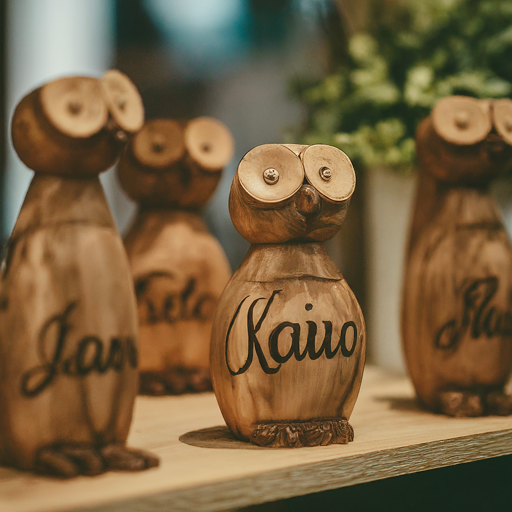
Personally, having an ethnic name that is uncommon and hard to pronounce I have had my fair share of mispronunciations. It is a name not often heard that you won’t even find on those personalised keychains at gift shops. I have had times where I have been in a professional setting and after hearing my name pronounced, they ask for a nickname as that would be easier for them to remember and pronounce.
The mispronunciation of your ethnic name will happen which is the hard truth and for many individuals, it is difficult to approach and correct someone on their mistake. But this is precisely what you must do, and you have every right to do so. However, if the individual continues to disrespect you by mispronouncing your name it’s a sign of micro-aggression.
Our names as identity markers
The names we are given are an introduction to our identity and what represents us as a person. When our ethnic names are pronounced correctly it shows a sense of effort and inclusivity. When someone avoids trying to pronounce your name and chooses the option of creating a nickname, it strips that person of their own identity.
Our names come with history and culture hence when our names are deliberately mispronounced our identity is affected. When effort is made to correctly pronounce our names it makes us feel seen, heard and respected.
Educating others
It is important to remember when we are faced with situations where our names are mispronounced, it’s an opportunity to educate those around us. This can also be helpful for anyone with an ethnic name who might find pronouncing other ethnic names difficult.
1) Ask about the pronunciation of their name
When meeting someone for the first time it’s helpful to ask how to pronounce their name. Taking the time to do so shows that we respect, value and want them to be a part of the community. The effort made by those who try will be greatly appreciated. For instance, ‘I don’t want to mispronounce your name. Would you mind pronouncing it for me so I can get it right?’. A simple question like so shows you care and respect them enough to get their name right.
2) Repeat their name
There will be times when people mispronounce your name, or you might do theirs. It’s always great to repeat their name a couple of times until you or they get it right. Also, asking them if you’re pronouncing it correctly is helpful. You can then continue to practice it on your own and if needed double check to make sure you’re saying their name accurately.
3) Reflect, Listen and Reach out
Sometimes opening up space to reflect and actively listen to why the person is mispronouncing your name is important. This is where you hear them out, ask them why they’re acting this way and allow room for clarification. This might be necessary when someone continues to mispronounce your name unintentionally. It can be an awkward and confronting situation for some. Perhaps having a private chat to discuss how you feel and what pronunciation you prefer can be helpful. It is important not to put pressure on yourself if you feel uncomfortable and seek out assistance from someone you trust.
4) Calling Out
This is when the person continues to mispronounce your name intentionally after being corrected. When being called out in public it holds the person accountable for their actions. This isn’t to attack them but to allow them to reflect and communicate what needs to change. This also goes for those who might not be impacted by the mispronunciation and to call out the behaviour when we know the person. This promotes a supportive network when behaviour is called out that has gone unnoticed.
Hawanatu Bangura’s view on the importance of pronouncing ethnic names
Hawanatu Bangura currently resides in Sydney but is originally from Sierra Leone in Africa. She splits her time between social work and filmmaking. Her focus is on creating inclusive and diverse stories about people in Sydney while running her passion project of well-being and storytelling workshops for women.
The name Hawa originates from the Quran which means Eve and is commonly extended to Hawanatu in her culture. Before the child is born it is typical for the parents to pick a name from existing grandparents, aunties or ancestors to show a degree of respect. She goes on to explain that the firstborn child is supposed to have their grandparent’s name which is either chosen from the men’s side first and then the women’s side.
Why do you think it’s important to learn and pronounce difficult names?
“Our name is part of our identity and if it’s not pronounced in the right way it chips away at who we are” Hawanatu explains. She struggles with pronouncing different names that are unfamiliar and empathises with either side when it comes to pronouncing names accurately.
How does putting in the effort of pronouncing someone’s name create a bond in a professional and personal setting?
“When someone pronounces a difficult name correctly it’s surprising and impressive. You feel seen and worthy that someone is making an effort to actually pronounce your name” Hawanatu says.
How do you think it impacts someone if their name is constantly mispronounced?
“It depends on the context, if many people are mispronouncing that person’s name, then that name’s pronunciation has completely changed. The differing pronunciation will impact how that person views themselves especially if their name was derived from a cultural stand” Hawanatu expresses.
Hawanatu talks about how her name has been mispronounced countless times. She mentions not constantly correcting people as much as it has gotten to the point of no return. They pronounced it Ha-na-wa-tu instead of Ha-wa-na-tu which she found strange. Her curiosity to understand why her name was constantly mispronounced led her to find out that people in Australia are used to pronouncing Hana as it is a common name. In certain situations, she will go out of her way to correct others but not always.
She did experience an unpleasant incident in a cafe where she chose to pronounce her name correctly. To her surprise, they wrote a completely different name to what she had stated. This left her shocked and annoyed, proving how necessary trying to pronounce or even spell ethnic names is important.
Respect begins with a name. Make it a habit to ask, listen, and pronounce ethnic names correctly, no matter how unfamiliar they may be to you.