
National Reconciliation Week, observed annually from May 27 to June 3, is a significant event in Australia that aims to promote understanding, respect, and positive relationships between First Nations people and non-Indigenous Australians. The week encompasses two important dates: May 27, which marks the anniversary of the 1967 referendum that saw more than 90% of Australians vote to give the federal government power to make laws for First Nations people and recognise them in the census, and June 3, which commemorates the High Court’s landmark Mabo decision in 1992, which legally recognised that First Nations people have rights to the land that existed before British colonisation.
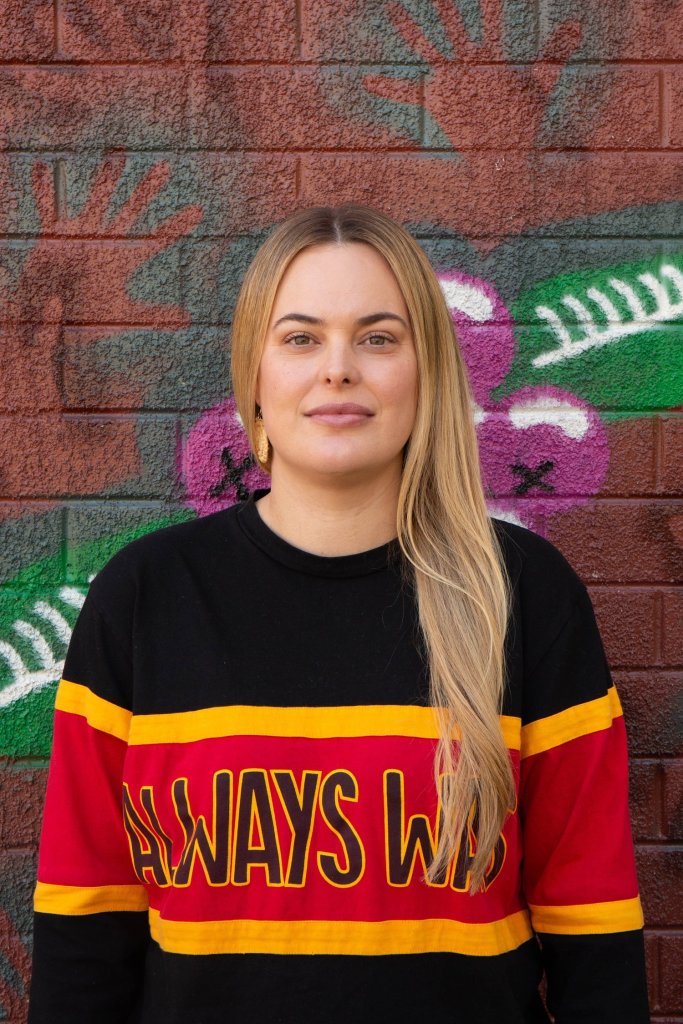
Coral Lever, co-founder and CEO of First Nations Response (FNR), a registered charity focused on food justice, emphasises that the week is primarily an opportunity for non-Indigenous Australians to learn and understand more about the history, culture, and challenges faced by First Nations people. “Reconciliation Week is mostly a week for non-Indigenous Australians,” Coral explains. “The theme of reconciliation is to educate non-Indigenous Australians on the history, culture and injustices towards First Nations people.
During Reconciliation Week, many organisations, businesses, and companies hold events such as morning teas, panel discussions, and cultural competency training to raise awareness and promote understanding. These events often focus on the ongoing impact of colonisation, the Stolen Generation, and the systemic inequalities faced by First Nations people. FNR, for example, has been invited to participate in several panels, including one for Uber’s Reconciliation Week activities, to share their perspective and engage with audiences that further the dialogue on reconciliation and the issues First Nations people face.
It’s important to note that there is a growing push for tangible action during Reconciliation Week, moving beyond symbolic gestures of “making amends.” Many activists and organisations are calling for a more direct focus on redistributing wealth and power to First Nations communities. This shift in perspective highlights the need for concrete steps towards addressing the systemic inequalities faced by First Nations peoples, recognising that true reconciliation requires a fundamental change in the distribution of resources and decision-making authority.
FNR’s primary focus is on addressing food insecurity within First Nations communities. They provide healthy, quality food through “pop-ups” where they access community spaces and offer free groceries, fresh produce, and meat. Food insecurity is a significant issue faced by many First Nations people, and it is rooted in a complex interplay of factors, including socioeconomic disadvantage and limited access to affordable and nutritious food. FNR recognises that First Nations communities are disproportionately affected by food insecurity compared to non-Indigenous Australians and is committed to working towards solutions to address this inequality.
FNR has faced challenges, particularly in securing funding, but has recently been successful in obtaining a grant from the City of Sydney to fund their initiatives over the next three years. This financial support is crucial in enabling FNR to continue their work and expand their reach to more communities in need.
A key aspect of FNR’s work is its ability to pivot and adapt its services based on the needs of the community. Coral stresses the importance of self-determination, stating, “The work we do is so impactful because our community has the solutions to our issues. We want meaningful change in our community, and it should be led by us.”
Coral and her sister, Kimberley Peckham, who both serve as directors of FNR, have firsthand experience of extreme poverty and understand the importance of having people with lived experience in leadership positions within the organisations that serve these communities. They believe that solutions should come from those who have lived through the challenges, rather than from outsiders who think they know what is best. “The self-determination lived experience, for us, is what stands out,” Coral emphasises. “My sister and I, as the Directors, have come from really extreme poverty in our childhood and have used these services ourselves in the past. It’s important to have people with lived experience in these spaces, not just academics and people who think they know what the solutions are, but those who’ve actually been there and lived that life.”
To learn more about National Reconciliation Week, visit the Reconciliation Australia website.